

Chat GPT Image Jul 10, 2026, 03 58 40 PM
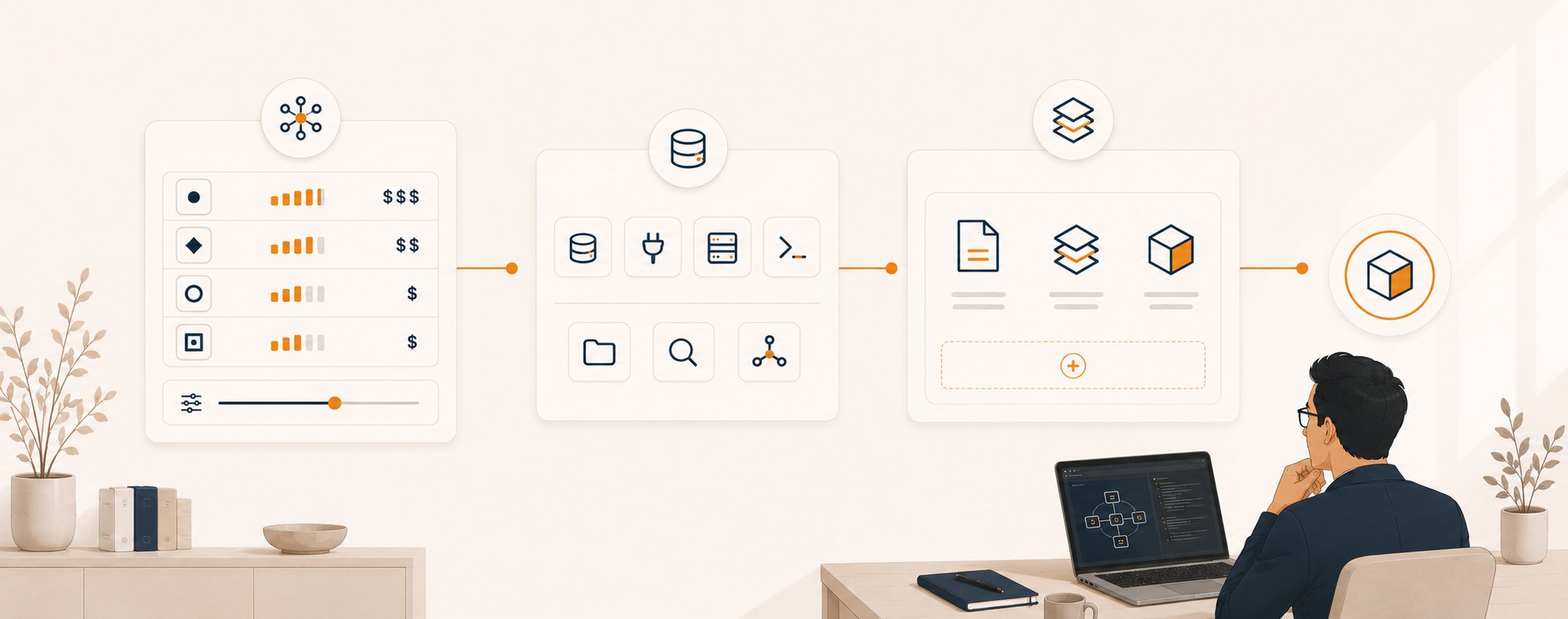
You can get a jaw-dropping result out of an agent in a demo. Turning that into something your team ships on — reliably, at a cost you can defend — is the actual job, and it lives in the details a demo never shows. It’s also where most organizations stall. MIT’s 2025 study of enterprise AI found that 95% of generative-AI pilots deliver no measurable return and only about 5% ever reach production — and the core barrier wasn’t models, budget, or talent. It was learning: most systems “don’t retain feedback, adapt to context, or improve over time.” (MIT NANDA — State of AI in Business 2025) So the work that separates a demo from a dependable system isn’t chasing a bigger model — it’s the setup and the upkeep. Adapting the agents to your specific software, wiring in the right context, and making what works repeatable — tuned up front and again as the software matures. That ongoing tuning is where reliable outcomes actually come from, and it’s the heart of this role. Start with the model. Not everything deserves your most expensive one, and nothing should be stuck with the wrong one — so you route each task to the right model by complexity and cost, set the thinking level, and override per feature. Then the context, because an agent is only as good as what it can reach. You wire in exactly the tools and MCP servers each agent needs and keep the context lean, instead of stuffing every prompt and hoping. And when a setup finally clicks, it can’t live in your head — that’s the exact trap the research describes. You package it as a Skill: a reusable instruction bundle any project can invoke, drawn from your own work or the MyaiOne Marketplace, so what worked once works everywhere and the system keeps the knowledge instead of resetting. That’s the line between AI that impresses in a demo and AI your team quietly depends on — and it’s built, not bought off a shelf and hoped over.